Software Services

Advanced Metering Infrastructure (AMI)
A2RSystems supports Advanced Metering Infrastructure (AMI) initiatives by helping connect smart meters, communication networks, head-end systems, meter data management platforms and utility applications. Our services focus on integration planning, meter data workflows, system connectivity, testing and deployment support for modern utility operations.
Advanced Metering Infrastructure (AMI) is a connected technology environment that links smart meters with the systems used by modern utilities. Smart meters collect consumption measurements and relevant events, communication networks transfer information, head-end systems manage meter communication, and meter data management platforms validate and organize readings for downstream applications.
A2RSystems helps organizations understand and connect these components so that dependable meter data can reach the teams and applications that need it. Our approach considers the complete flow of information, from the meter and communication layer through data management to billing, customer information, field operations and analytics systems.
Core Components of an AMI Environment
Smart meters that record consumption at regular intervals and capture relevant events
Communication networks that carry meter data and commands between devices and utility systems
Head-end systems that manage meter communication, reads and commands
Meter Data Management (MDM) platforms that validate, process and organize meter readings
Utility applications that use meter information for billing, operations and analytics
AMI Integration and Technology Services
AMI integration planning and system assessment
Smart meter and communication network connectivity planning
Head-end system and Meter Data Management connections
Meter data workflows and downstream application integration
Utility application integration for billing, customer information and operations
Testing, validation and deployment support
How Meter Data Moves Through the System
A smart meter records consumption readings and relevant events. The communication network carries this information to the head-end system, which receives and manages meter data. The MDM platform then validates, organizes and stores the readings. Finally, connected utility applications receive the information they need for billing, outage management, field operations, reporting and analytics.
What AMI Can Make Possible
More timely visibility into consumption through interval readings
Remote meter reading and reduced dependence on routine site visits
Improved availability of meter data and operational events
Better planning of field operations and service activities
Support for time-of-use and other flexible tariff approaches
Improved outage awareness through meter event information
More detailed data for utility analysis, loss analysis and planning
The results of an AMI programme depend on the utility environment, communication network, data platforms and connected applications. A2RSystems focuses on the integration, data and testing work needed to help these components operate together reliably.
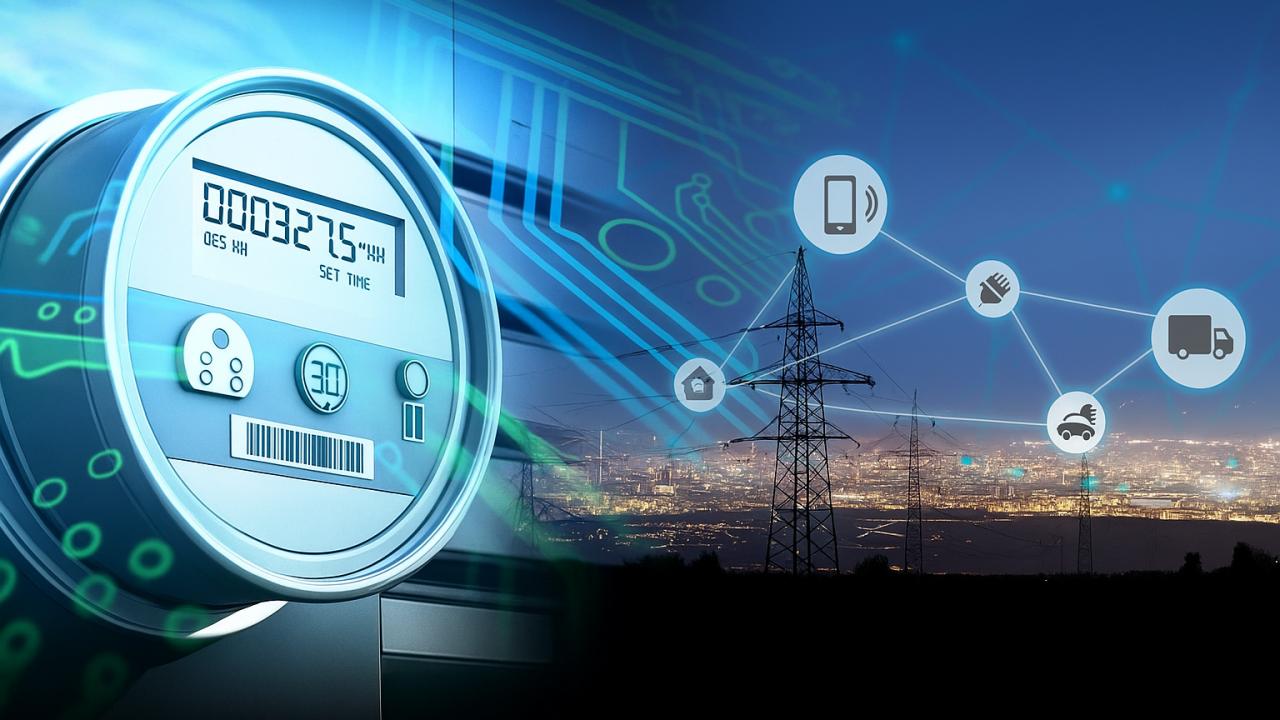
Our software services are built with scalability, performance, and security at the core. We design enterprise-grade solutions that adapt to business growth while ensuring data protection, system reliability, and long-term sustainability.
What is Advanced Metering Infrastructure (AMI)?
AMI is a connected system that links smart meters, communication networks, head-end systems, meter data management platforms and utility applications to exchange and use meter information.
What are the main components of an AMI system?
The main components include smart meters, communication networks, head-end systems, Meter Data Management platforms and utility applications.
How does meter data reach utility applications?
Meter readings travel through the communication network to the head-end system, then to the MDM platform for validation and organization before being shared with applications such as billing and operations.
What is the role of Meter Data Management?
MDM processes, validates and organizes meter readings so that downstream utility systems can use dependable data.
What are the potential benefits of AMI?
AMI can support more timely consumption visibility, remote meter reading, better data availability, operational efficiency, outage awareness and utility analytics. Results depend on the utility environment and implementation.
What AMI services can A2RSystems support?
Services can include integration planning, meter data workflows, head-end and MDM connections, utility application integration, testing and deployment support.
